
If you have ever wondered what plumbing does, you are asking a smarter question than you might think. Most homeowners only think about plumbing when something stops working, but this system plays a major role in everyday comfort, sanitation, and protecting your home from costly damage.
Plumbing is what allows clean water to enter your home and wastewater to leave safely. That sounds straightforward, but behind your walls and beneath your floors is a network of pipes, fixtures, drains, valves, and connected appliances all working together to make daily life possible.
For homeowners in Glendora, understanding how plumbing works can be especially useful. Whether your home is older with aging infrastructure or newer with modern fixtures, plumbing issues can develop over time. Knowing what your system actually does makes it easier to recognize warning signs early and make informed decisions before minor concerns become major headaches.
What Does Plumbing Do in a Home?
At its most basic level, plumbing manages the movement of water throughout your home. It brings in fresh water for drinking, cooking, cleaning, bathing, and laundry, while safely removing wastewater through drainage and sewer systems.
Every time you wash your hands, flush a toilet, run your dishwasher, or take a shower, your plumbing system is at work. It is one of the few home systems you rely on repeatedly every single day, often without even noticing.
Plumbing also supports more than the obvious fixtures. Water heaters, refrigerators with water dispensers, garbage disposals, filtration systems, outdoor hose connections, and certain appliances all depend on properly functioning plumbing to operate as intended.
Without it, many of the conveniences people take for granted disappear almost immediately.
The Main Parts of a Plumbing System
Understanding the major components of a plumbing system can make it easier to identify where problems may originate.
Water Supply Lines
These pipes deliver clean water into your home under pressure. They connect to sinks, showers, bathtubs, toilets, appliances, and outdoor fixtures.
If supply lines develop leaks, corrosion, or pressure issues, you may notice dripping, reduced water flow, or unexpected moisture where it should not be.
Drainage System
Unlike supply lines, drainage pipes rely on gravity to carry wastewater away from your home. This includes everything from sinks and tubs to washing machines and toilets.
When drainage systems begin to clog or slow down, you often notice symptoms like standing water, foul odors, or gurgling sounds.
Water Heater
Your water heater is part of the broader plumbing system, supplying hot water for showers, dishwashing, laundry, and cleaning.
Over time, wear and mineral buildup can affect performance, especially in areas with hard water.
Sewer Line
The sewer line is responsible for carrying wastewater away from your property and into the municipal sewer system or a septic system.
Problems here tend to be more disruptive, often involving backups, odors, or widespread drainage issues.
Common Plumbing Problems Homeowners Experience
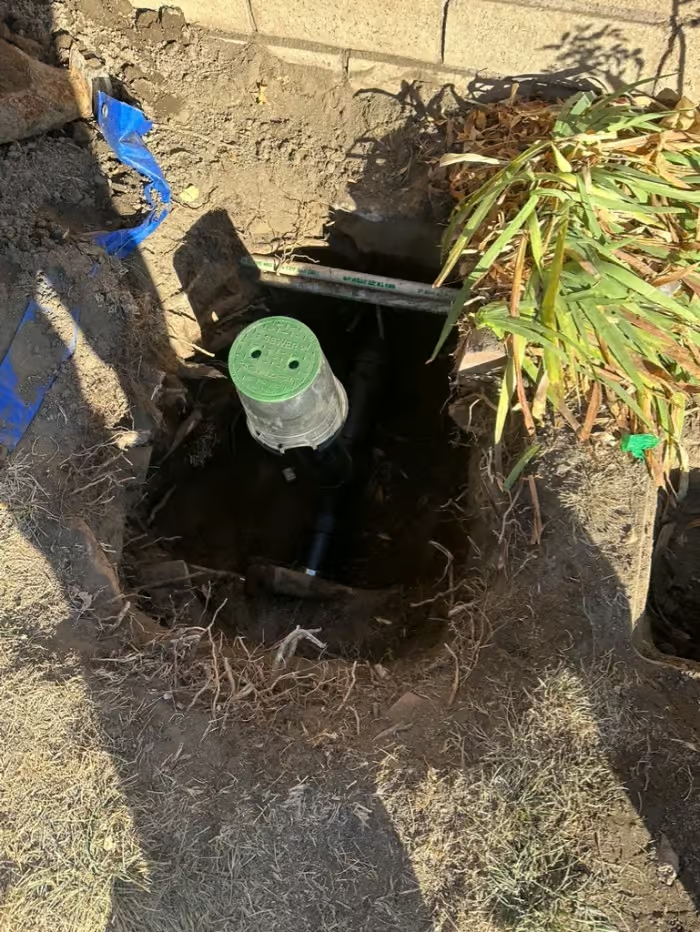
Plumbing problems do not always begin with an obvious emergency. In many cases, they start quietly and gradually become more serious.
Leaky faucets are a perfect example. What starts as a minor drip can waste a surprising amount of water over time and signal worn parts or deeper issues within the fixture.
Slow drains are another frequent complaint. Hair, grease, soap residue, food buildup, and mineral deposits can gradually restrict water flow. In some cases, recurring drain issues may point to larger blockages deeper in the system.
Low water pressure often frustrates homeowners because it can affect everything from showers to washing dishes. Sometimes the cause is simple, such as a buildup in a fixture, but hidden leaks or pipe deterioration can also be responsible.
Water heater issues are equally disruptive. Inconsistent hot water, unusual noises, or longer heating times often suggest maintenance or repair needs.
Sewer problems tend to create some of the clearest warning signs. If multiple drains back up at once, strange odors appear, or toilets begin behaving unpredictably, the issue may be more than a simple clog.
Why Plumbing Problems Can Escalate Quickly
Water is incredibly useful when it stays where it belongs. When it does not, damage can happen faster than many homeowners realize.
A small hidden leak can quietly soak drywall, weaken wood framing, damage flooring, and create conditions where mold thrives. Drainage issues can lead to wastewater backups, creating sanitation concerns. Even something seemingly minor, like a running toilet, can significantly increase water usage over time.
That is why understanding how plumbing services fit into home maintenance can help homeowners make better decisions when issues arise. Having a broader understanding of plumbing services can also be useful when researching solutions for common household concerns.
Plumbing Concerns in Glendora Homes
Homes in Glendora often face plumbing concerns that reflect both age and regional conditions. Older homes may have aging pipes, outdated materials, or years of wear that increase the likelihood of leaks or pressure issues.
Hard water can also contribute to buildup inside fixtures and appliances over time, reducing efficiency and affecting performance. Even in newer homes, daily use places consistent demand on plumbing systems, so preventive awareness still matters.
Nearby communities like Covina, San Dimas, Azusa, and La Verne often experience similar conditions, making these plumbing concerns common throughout the area.
How Homeowners Can Help Prevent Plumbing Issues
While no plumbing system lasts forever, good habits can help reduce the chances of avoidable problems.
Being mindful of what goes down your drains makes a noticeable difference. Grease, oils, coffee grounds, food scraps, and so-called flushable wipes are common contributors to clogs.
Paying attention to subtle warning signs also matters. A slightly higher water bill, a slow-draining sink, reduced water pressure, or unusual sounds may seem minor, but these clues often point to developing issues.
Routine maintenance can also extend the life of important plumbing components. Water heaters, fixtures, and drainage systems all benefit from periodic attention, especially in homes with older plumbing.
Knowing where your main water shutoff valve is located can also make a major difference if an emergency leak ever occurs.
Frequently Asked Questions
What does plumbing do exactly?
Plumbing manages the delivery of clean water into your home while safely removing wastewater. It supports daily functions like bathing, cooking, cleaning, and sanitation.
What are the most common plumbing problems?
Common issues include leaks, clogged drains, low water pressure, water heater problems, running toilets, and sewer backups.
Can plumbing problems damage a home?
Yes. Water leaks and drainage problems can damage walls, floors, cabinets, foundations, and even lead to mold growth if ignored.
Is plumbing only about pipes?
No. Plumbing includes fixtures, drains, water heaters, sewer connections, valves, appliances, and systems that manage water movement throughout the home.
How do I know if a plumbing issue is serious?
Recurring clogs, sudden drops in water pressure, unusual odors, water stains, or unexplained increases in your water bill often suggest an issue worth investigating.
Final Thoughts
Asking yourself what does plumbing do, helps homeowners see plumbing as more than just a repair issue. It is one of the systems that keeps your home functional, clean, and protected every day.
For Glendora homeowners, a little awareness goes a long way. Recognizing how plumbing works and spotting early warning signs can help prevent unnecessary stress, unexpected expenses, and larger problems down the road.