

Fall Water Heater Service and Replacement Guide for Covina CA Homes
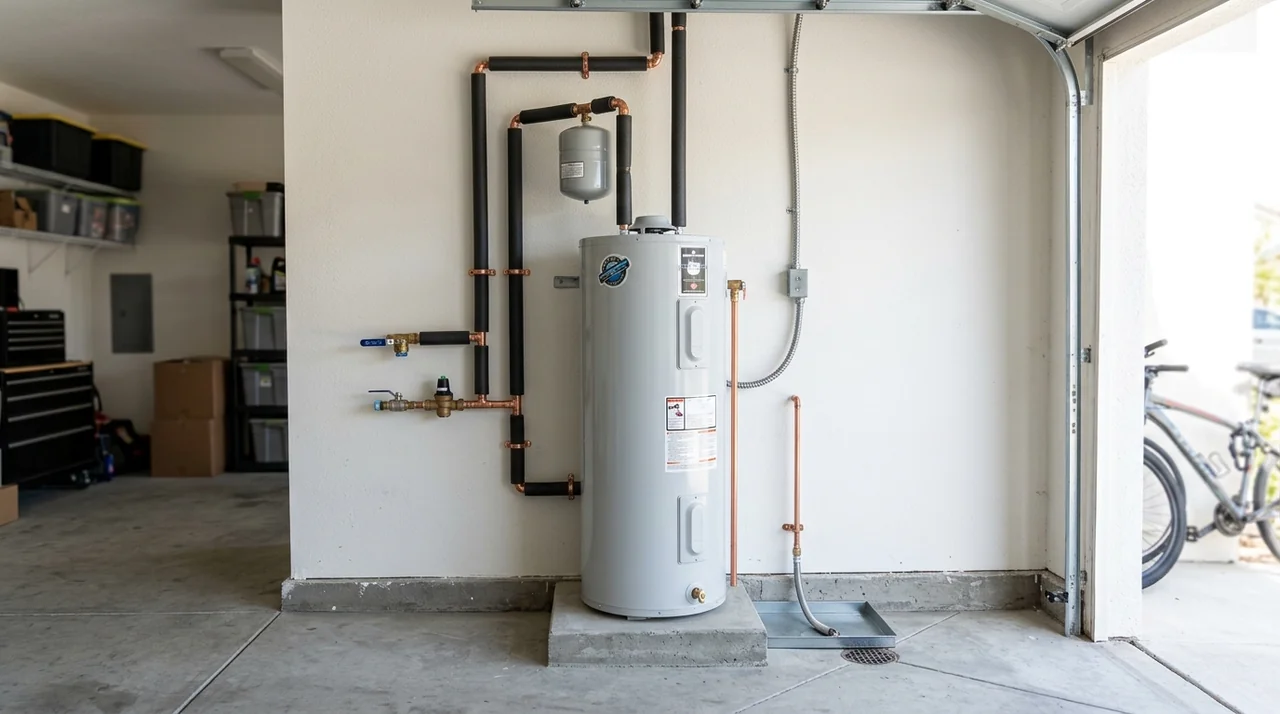
Fall water heater service covina ca — a project shot.
Your water heater quietly does one of the hardest jobs in the house, and it works even harder in fall and winter when incoming water turns cold. Homeowners in Glendora, Covina, West Covina, Azusa, San Dimas tend to notice their heater only when it fails, usually on a chilly morning at the worst possible time. The team at JG Plumbing & Rooter Inc. sees a spike in no-hot-water calls every year once the season turns. This guide explains how to give your heater a fall tune-up, the warning signs that it is nearing the end, and how to decide between a repair and a replacement in Glendora. See details on our Faucet Service page. See details on our Water Heater Inspection page.
Why Fall Is Hard on Water Heaters
As the weather cools, the water entering your heater from the municipal supply drops in temperature. That means the unit has to work longer and burn more energy to reach your set temperature, which puts extra strain on an aging tank. Households in Glendora also use more hot water in fall and winter, with longer showers and more frequent laundry. The combination exposes any weakness in the system right when you depend on it most. Related: How To Prevent Costly Plumbing Emergencies.
A heater that struggled through summer will often fail in the first cold weeks. Sediment that has collected over the year insulates the burner from the water, making the unit less efficient and prone to overheating spots that shorten its life. This is exactly why fall is the right time for service. Addressing wear now, before demand peaks, keeps a small tune-up from turning into an emergency replacement during the holidays in Covina. Also see Essential Guide To Water Heater Replacement Everything You Need To Know.
Flush the Tank to Clear Sediment
Flushing is the single most valuable maintenance task for a tank water heater. Minerals in the water settle to the bottom and form a layer that forces the burner to work harder and can create the rumbling sound many homeowners hear. Draining several gallons from the tank clears this buildup, restores efficiency, and helps the heater recover faster during busy mornings in West Covina. Related: Glendora Ca.
Key points to remember
If your home has hard water, sediment builds up faster and flushing becomes even more important. During service, our technicians also inspect the anode rod, the sacrificial part that protects the tank from rust. A worn anode rod that is replaced on time can add years to the life of the tank. Skipping this simple maintenance is the most common reason heaters fail earlier than they should. A fall service visit from JG Plumbing & Rooter Inc. keeps your unit running its best. Also see 2026 Energy Code Guide Gas Vs Heat Pump Water Heater Cost And Rebates.
BEFORE IT FAILS
A leaking tank base means replacement, not repair
Water pooling around the bottom of the heater usually signals the tank itself has corroded through. That cannot be repaired. If you see moisture at the base in your Glendora home, call JG Plumbing & Rooter Inc. promptly to plan a replacement before it fails completely.
Check the Temperature and Pressure Relief Valve
The temperature and pressure relief valve is a critical safety device that releases pressure if the tank gets too hot. It should be tested at least once a year, and fall is a natural time to do it. A valve that is stuck or leaking is a safety concern that needs prompt attention. Testing it takes only a moment but is often overlooked by homeowners in Azusa. Related: Traditional Snaking Vs Hydro Jetting Which Is Best For Your Drains.
While checking the valve, confirm your thermostat is set near 120 degrees. That temperature is hot enough for comfort and cleaning while reducing scald risk and saving energy. Settings much higher waste money and accelerate mineral buildup. If your valve discharges water, or if you cannot test it safely, call a professional. Our technicians verify every safety component during a service visit so your family is protected through the heating season. Also see Why Professional Cleanout Services Are The Key To A Fresh Start.
Know the Warning Signs of Failure
Water heaters rarely fail without warning. Rusty or discolored hot water often means corrosion inside the tank. Water that never gets hot enough, or runs out quickly, points to a failing heating element or heavy sediment. Puddles or moisture around the base are a serious sign that the tank may be leaking and could fail completely. Homeowners in Glendora who catch these signs early avoid a cold-morning surprise.
Key points to remember
Age is the other major factor. A traditional tank heater typically lasts eight to twelve years, and a unit past that range showing any symptoms is living on borrowed time. Strange noises, fluctuating temperatures, and rising energy bills all suggest the heater is struggling. If you notice several of these signs together, have the unit evaluated. It is far better to plan a replacement than to be caught without hot water in the middle of winter.
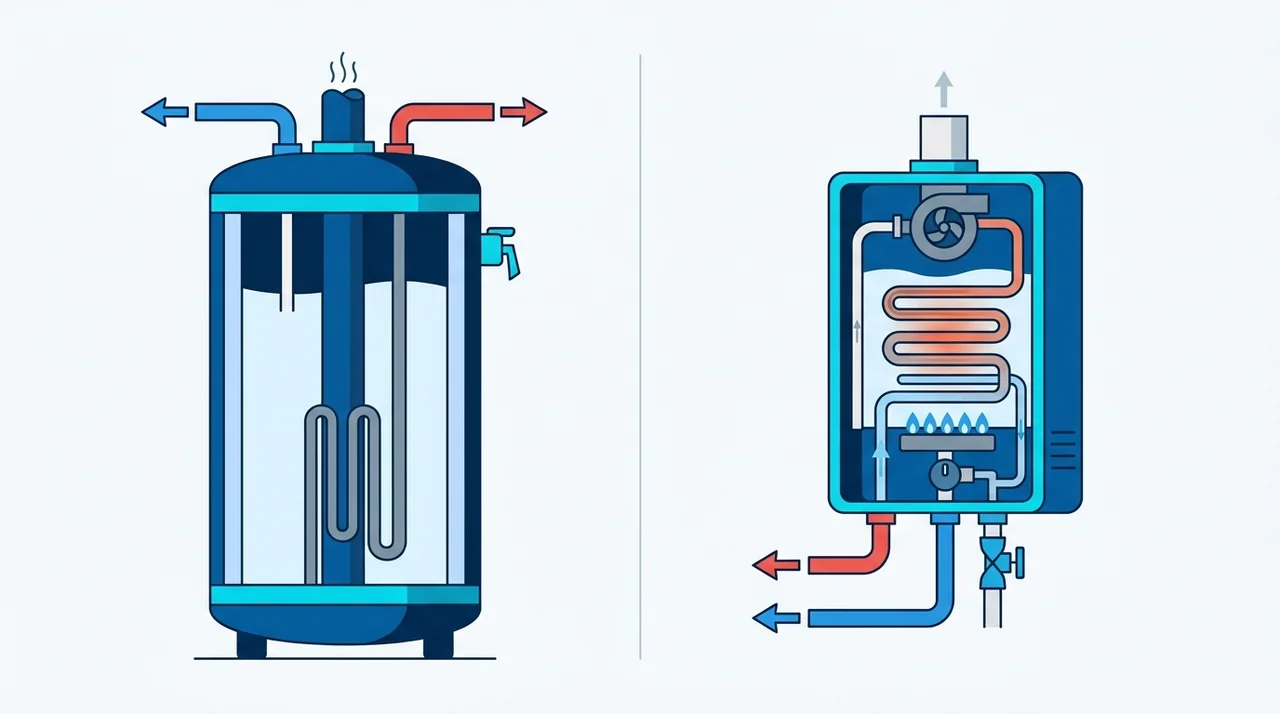
A visual reference for the comparison.
Repair vs Replace Your Water Heater
| Situation | Repair | Replace | Notes |
|---|---|---|---|
| Unit under 8 years | Usually | Rarely | Often a part, not the tank |
| Unit over 12 years | Rarely | Usually | Efficiency gains help |
| Leaking tank base | No | Yes | Tank has corroded through |
| No hot water, sound tank | Often | Sometimes | Element or thermostat |
| Rising energy bills | Maybe | Consider | New unit lowers costs |
Repair or Replace: Making the Call
Not every problem means a new heater. A faulty thermostat, a bad heating element, or a worn valve can often be repaired affordably, especially on a newer unit still under warranty. Our technicians diagnose the real cause and give homeowners in San Dimas honest options rather than pushing a sale. If a repair restores reliable performance and the tank is sound, that is usually the smart choice.
Replacement makes more sense when the tank itself is leaking, the unit is past its expected life, or repair costs approach the price of a new heater. A new unit also brings better efficiency, which lowers your bills through the winter. Many households use the moment to consider a tankless upgrade for endless hot water and space savings. Whatever direction fits your home and budget, JG Plumbing & Rooter Inc. helps you weigh it clearly so you make a confident decision.
Consider a Tankless Upgrade
Tankless water heaters heat water on demand instead of storing it, so you get a continuous supply and never run out during back-to-back showers. They take up far less space and typically last longer than tank models, which appeals to many homeowners in Glendora planning to stay in their homes for years. Because they only heat water when you need it, they also cut standby energy loss.
Key points to remember
Tankless units cost more upfront and may need adjustments to gas lines or venting, so professional sizing and installation matter. The right unit depends on your household’s hot water demand and your home’s setup. Our team evaluates whether a tankless system is a good fit or whether a high-efficiency tank is the better value for your situation. Ask JG Plumbing & Rooter Inc. about your options this fall so any upgrade happens on your schedule, not during an emergency.
Fall Water Heater Service in Glendora
Flush, inspect, and get honest repair or replacement advice before the cold arrives. Book your visit today.
Frequently asked questions
How long does a water heater last?
A traditional tank unit generally lasts eight to twelve years. Tankless models often last longer with proper maintenance. Age plus any warning signs is a good time to have it evaluated.
Why does my hot water run out so fast in winter?
Colder incoming water makes the heater work harder, and sediment buildup reduces capacity. A fall flush and inspection often restore performance, though an aging tank may need replacing.
Is a tankless water heater worth it?
For many households in Glendora, Covina, West Covina, Azusa, San Dimas it is, thanks to endless hot water, space savings, and lower energy loss. It costs more upfront, so we help you decide based on your usage and setup.
What temperature should my water heater be set to?
Around 120 degrees is the sweet spot for comfort, safety, and efficiency. Higher settings waste energy, increase scald risk, and speed up mineral buildup.
How often should I flush my water heater?
Once a year is ideal, and fall is a great time because the unit is about to work harder. Homes with hard water may benefit from flushing more often.
What should I do if I see water around the base?
Treat it as urgent. A leaking tank usually means the unit is failing and needs replacement. Call us promptly so you are not left without hot water in the cold.
Related reading from JG Plumbing & Rooter Inc.
Written by the team at JG Plumbing & Rooter Inc.. Serving Glendora, CA; Covina, CA; West Covina, CA; Azusa, CA; San Dimas, CA.
Questions? Call (626) 771-5217 or visit www.jgplumbingnrooter.com.