


If your water heater is 10 years or older, replacing it is generally more cost-effective than repairing it, especially if repair costs exceed 50% of a new unit’s price. Transitioning to a tankless system can reduce energy consumption by up to 34% and eliminate the risk of catastrophic tank failure common in aging units.
The 10-Year Milestone: Why Age Matters
Ten years is the definitive tipping point for water heating technology. Most traditional tank-style heaters have a structural lifespan of 8 to 12 years because the internal glass lining and anode rod eventually deplete. Once these defenses fail, the steel tank begins to corrode from the inside out.
Deciding whether to sink money into a repair or invest in an upgrade is a common dilemma. During a recent audit for a property in Azusa, we encountered an 11-year-old unit where the owner was considering a $600 control valve repair. We advised that while the repair would restore the pilot light, it could not fix the sediment-heavy tank that was primed to leak within months.
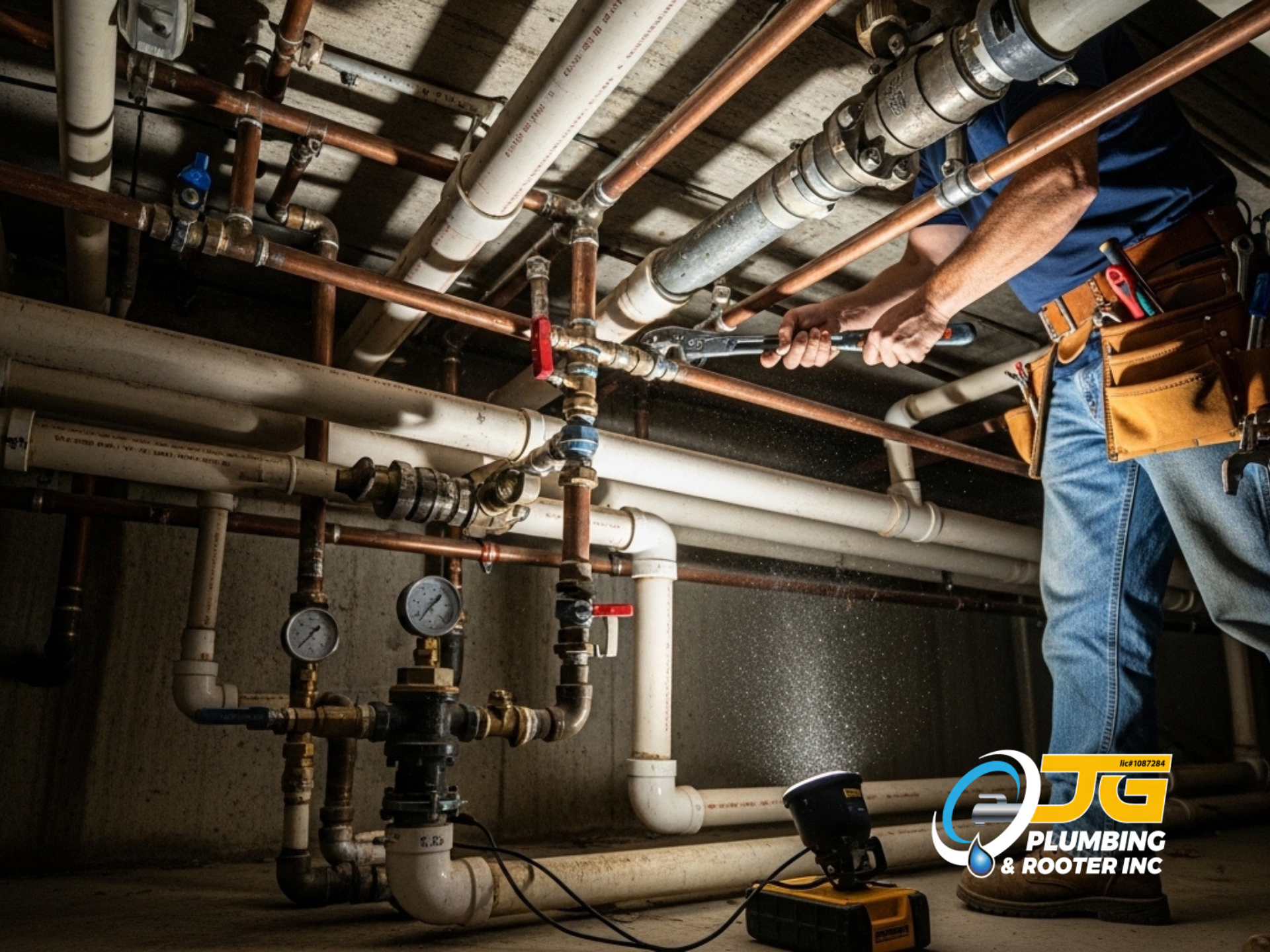
Repair vs. Replace: The Financial Breakdown
To help you visualize the long-term impact of this decision, we have categorized the primary differences between maintaining an aging tank and pivoting to a modern tankless solution.
| Feature | Repairing an Old 50-Gallon Tank | Replacing with a Tankless System |
| Average Upfront Cost | $200 – $600 | $2,800 – $4,800 |
| Expected Remaining Life | 1–3 Years | 20+ Years |
| Monthly Energy Impact | High (Standby Heat Loss) | 25–34% Savings |
| Space Requirement | 10–15 Square Feet | Wall-Mounted (Compact) |
| Hot Water Delivery | Limited (Runs out) | Continuous / Endless |
3 Signs Your Water Heater is a “Ticking Time Bomb.”
If you are currently searching for an Azusa plumber because of a strange noise or a lack of hot water, look for these three critical red flags. If you see these, the “repair” option is likely a wasted investment.
- Rusty or Discolored Water: This is a primary indicator that the internal sacrificial anode rod has failed and the water is now eating the steel tank itself.
- Popping or Rumbling Sounds: As hard water minerals settle at the bottom of a tank over a decade, they crystallize into a rock layer. When the burner turns on, it has to heat through this sediment, causing it to pop and crack.
- Moisture Around the Base: Even a small damp spot on the floor is rarely just a loose fitting; it is usually a microscopic fracture in the tank. In a community like Azusa, a small leak can turn into a 50-gallon flood without warning.
The “Lifetime Tank” Myth: Why Maintenance Still Matters
A common misconception is that tankless units never require service. While they don’t have a giant vat that can rust through, they use sophisticated heat exchangers with narrow passages. These passages can “scale up” in areas with high mineral content, reducing efficiency. Even the most advanced Azusa plumbing systems require an annual descaling flush to maintain the 20-year manufacturer’s warranty.
Introducing the JG Professionalism Standard
At JG Plumbing & Rooter, we operate under a proprietary service philosophy we call the JG Professionalism Standard. This is a rigorous framework designed to eliminate the stress typically associated with home repairs. We provide “upfront pricing” before a single wrench is turned, ensuring there are no hidden “emergency fees” or surcharges discovered after the job is done.
The JG Professionalism Standard means our plumbers in Azusa use thermal imaging and acoustic leak detection to ensure we aren’t guessing at the problem. We explain the “why” behind every repair and prioritize education so you feel confident in your investment.
By applying our professionalism, reliable, honest service, trust, quality workmanship, and quick response, 24/7 availability, comfort and safety, skilled, compassionate, understanding, dedicated, and stress-free approach, we ensure that the transition from an old tank to a new system is seamless. We understand that a broken water heater is more than a nuisance; it is a disruption to your family’s comfort and safety. Our skilled, compassionate, and understanding technicians are dedicated to a stress-free experience, ensuring you get the right system for your specific usage needs.
People Also Ask (FAQ)
How long does it take to switch from a tank to a tankless water heater?
Typically, a standard conversion takes 6 to 8 hours. This includes removing the old tank, upgrading gas lines or electrical circuits, and mounting the new unit.
Will a tankless water heater save me money on my monthly bills?
Yes. Because tankless units only heat water when a faucet is turned on (on-demand), they eliminate “standby heat loss,” which usually accounts for 20% to 30% of water-heating costs.
What is the “Rule of Thumb” for water heater repairs?
If the repair costs more than 50% of the cost of a new unit, or if the unit is over 10 years old, replacement is the more financially sound choice.
Restore Your Comfort with Trusted Experts
Don’t wait for a flooded garage to decide for you. Whether you need a routine flush to extend the life of your current tank or you’re ready to explore the endless hot water of a tankless system, JG Plumbing & Rooter is here to guide you. Our family-owned business is built on honesty and respect for your property.
Ready for a free estimate or an emergency diagnostic?Call us today or visit our Plumbing Services Page to schedule your consultation. We are available 24/7 to ensure your home stays warm and your pipes stay functional.